
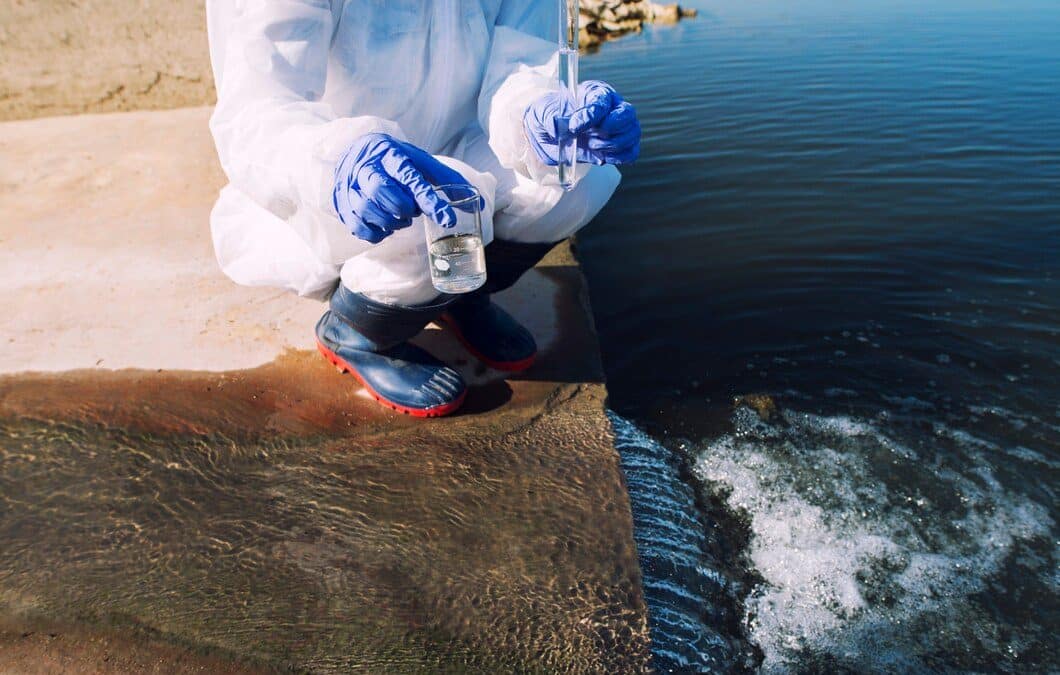
Clean water is vital for our health and well-being, yet many homes in Colorado and beyond face issues with water contamination. From bacteria to heavy metals, various contaminants can find their way into our drinking water, posing risks to our health and affecting the taste and quality of the water we use daily. Understanding these common water contaminants and knowing how to remove them can help ensure that our families have access to clean and safe water.
Water contaminants come from various sources, including natural deposits, industrial waste, and even household plumbing. These impurities can lead to problems such as unpleasant tastes and odors, stains on fixtures, and significant health risks. It’s important to identify these contaminants to address them effectively and maintain a healthy home environment.
Investing in a reliable water filtration system can make a significant difference in tackling water contamination. Different filtration methods can target specific contaminants, ensuring that our water is clean and safe for drinking, cooking, and bathing. By exploring the types of contaminants commonly found in water and the best ways to remove them, we can make informed decisions about our water filtration needs.
Understanding Common Water Contaminants
Water contaminants come in various forms, each with its own source and potential impact. Some of the most common contaminants include bacteria, viruses, and parasites, which can cause serious illnesses. These microbial contaminants often enter water supplies through sewage overflow, animal waste, or surface water runoff. Drinking water contaminated with these microorganisms can lead to gastrointestinal issues and other health problems.
Chemical contaminants are another major concern. These can include pesticides, herbicides, and industrial chemicals that make their way into our water systems from agricultural runoff or improper disposal of industrial waste. Heavy metals like lead, arsenic, and mercury also pose significant risks. These metals can leach into water supplies from natural deposits or corroded pipes and plumbing fixtures. Drinking water contaminated with heavy metals can cause various health issues, including neurological and developmental problems.
How Contaminants Affect Our Health and Home
Contaminants in our water supply can have a range of negative effects on our health and home. Microbial contaminants such as bacteria and viruses are particularly dangerous because they can cause severe illnesses. For example, E. coli and Giardia are common bacteria and parasites that can lead to stomach cramps, diarrhea, and vomiting. Long-term exposure to contaminated water can also weaken our immune systems, making us more susceptible to other illnesses.
Chemical contaminants like pesticides and industrial solvents can harm our bodies over time. These chemicals may disrupt endocrine functions, leading to hormonal imbalances and other health issues. Heavy metals such as lead are especially harmful to children, affecting their development and cognitive abilities. In our homes, these contaminants can cause staining on fixtures and laundry, as well as unpleasant tastes and odors in drinking water. They can also contribute to the wear and tear of household appliances, leading to higher maintenance costs.
Understanding the harmful effects of these contaminants can help us take necessary steps to ensure the safety and quality of our water. This knowledge allows us to select appropriate filtration methods and maintain a healthier and cleaner home environment.
Effective Filtration Methods for Removing Contaminants
Removing contaminants from water requires choosing the right filtration method. Different methods target different types of contaminants, so it’s important to know which system is best for our needs. One popular filtration method is activated carbon filters. These filters are effective at removing chlorine, sediment, and volatile organic compounds (VOCs), which can improve the taste and odor of water. Activated carbon filters work by trapping contaminants on the surface of the carbon, preventing them from passing through.
Another effective filtration method is reverse osmosis. This system forces water through a semipermeable membrane, which blocks contaminants like bacteria, viruses, heavy metals, and pesticides. Reverse osmosis systems are highly efficient and can remove up to 99% of contaminants. Ultraviolet (UV) purification is also a reliable method for eliminating microbial contaminants. UV light kills bacteria and viruses without adding chemicals to the water, making it a safe and eco-friendly option.
Choosing the Right Water Filtration System for Your Needs
Selecting the right water filtration system depends on the specific contaminants present in your water and your household’s needs. Start by testing your water to identify the contaminants you need to remove. Once you know what you’re dealing with, you can choose the best filtration method for your home.
Consider the size of your household and your water consumption when choosing a system. For example, larger households with high water usage might benefit from a whole-house filtration system. These systems filter water at the point of entry, ensuring that all water used in the home is clean and safe. Smaller households or those with specific concerns, like improving drinking water quality, might prefer a point-of-use system, such as a countertop or under-sink filter.
It’s also important to think about maintenance requirements and costs. Some systems, like reverse osmosis, may need regular filter replacements and monitoring, while others, like UV purifiers, require minimal upkeep. By understanding your needs and preferences, you can choose a water filtration system that effectively addresses your water quality concerns.
Conclusion
Ensuring the safety and quality of our water is crucial for our health and well-being. By understanding common water contaminants and their effects, we can take the necessary steps to remove them from our water supply. Effective filtration methods like activated carbon filters, reverse osmosis, and UV purification offer reliable solutions for reducing various contaminants, making our water cleaner and safer to use.
Choosing the right water filtration system involves assessing our specific water quality needs and selecting a system that suits our household size and usage. With the right approach, we can protect our health and improve our water quality, giving us peace of mind in our daily lives.
For those looking to improve the water quality in their homes, Clean Water Co offers a range of water softening and filtration systems designed to address different contamination issues. Contact Clean Water Co today to find the perfect solution for your water filtration needs.