
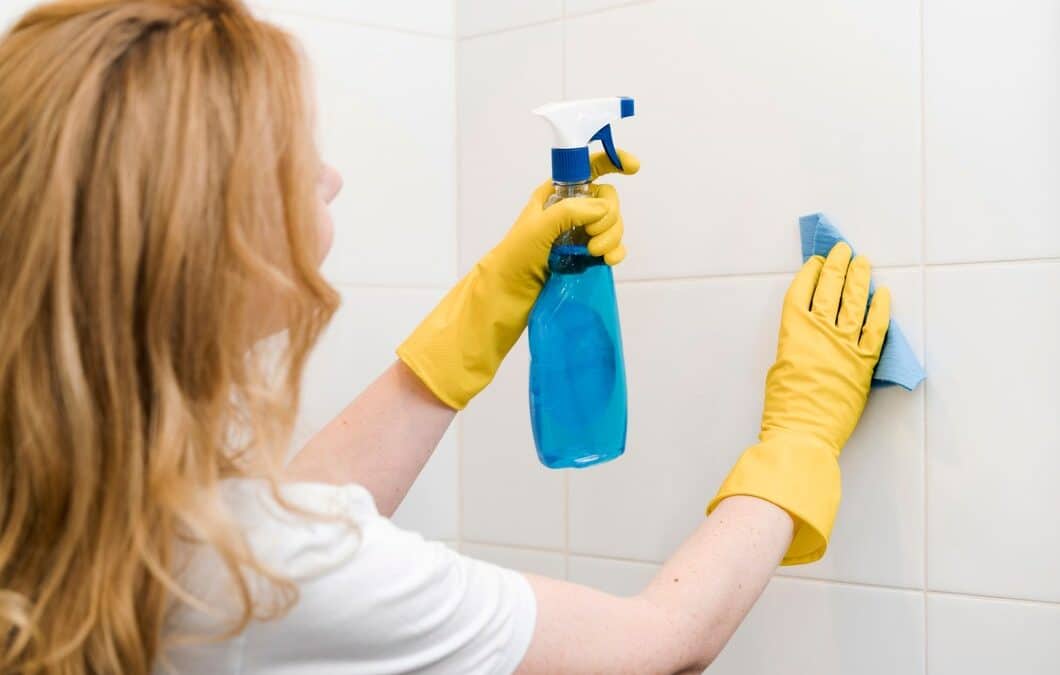
Have you ever noticed those pesky, chalky stains building up in your kitchen or bathroom? You’re not alone. These are often the result of hard water, which contains a high level of minerals like calcium and magnesium. When water evaporates, it leaves behind these minerals, resulting in unsightly deposits on surfaces. These stains can be stubborn, appearing on everything from faucets and sinks to shower doors and tiles. Not only do they dull the shine of your fixtures, but they can also make your bathroom and kitchen look less than inviting.
Addressing hard water stains is key to maintaining a clean and appealing home. Ignoring the problem can lead to more serious issues over time, such as clogged pipes and less efficient appliances. Simply put, dealing with hard water is essential to keeping your kitchen and bathroom sparkling clean. Plus, understanding how to manage these stains can help you preserve the quality and longevity of your home’s fixtures and surfaces.
Identifying Hard Water Stains
Spotting hard water stains is usually straightforward once you know what to look for:
– Dull White Spots: These often appear on chrome surfaces, such as faucets and fixtures.
– Cloudy Film: This is common on glass shower doors or mirrors, where minerals accumulate and form a milky covering.
– Soap Scum and Mineral Buildup: Hard water reacts with soap to form soap scum, leaving a filmy residue on bathtubs and shower walls.
To illustrate, imagine rinsing your dishes only to find white streaks and spots once they’re dry. This results from the minerals combining with soap and not rinsing away entirely. Recognizing these signs early can save you time and trouble down the road. By addressing them promptly, you can maintain the appearance and function of your kitchen and bathroom.
Understanding these signs is the first step toward managing hard water issues in your home. Once you can easily identify the problem areas, it becomes much easier to target them with the right cleaning techniques and prevent future build-up.
Preventing Hard Water Stains
Preventing hard water stains can save you a lot of time and effort in the long run. Regular cleaning is key to this, ensuring that mineral deposits don’t have the chance to build up. Wiping down surfaces like sinks, faucets, and counters after use keeps those annoying spots from forming. When aiming to prevent these stains, consistency is your best friend. For those looking for a natural solution, a simple mixture of vinegar and water can be quite effective. This homemade cleaner can be used to wipe down surfaces, with vinegar helping dissolve mineral residues.
Another strategy involves installing a water softener system. These systems work by removing those pesky minerals like calcium and magnesium from your water supply, which prevents them from attaching to surfaces. By softening the water, you’re taking a big step in reducing and even eliminating the formation of annoying stains. Plus, it’s not just about aesthetics—softened water can also help to improve the efficiency and lifespan of your home appliances.
Cleaning Hard Water Stains
Even with preventative measures, sometimes stains still find a way to appear. Luckily, there are methods to tackle these unwanted marks. Here are some steps that may help:
1. Use a Vinegar Solution: Apply a solution of equal parts vinegar and water directly onto the stained area. Let it sit for a few minutes before wiping it away with a clean cloth.
2. Scrub with a Soft Brush: For tougher stains, consider a gentle scrubbing with a soft brush or an old toothbrush. Avoid using anything too abrasive, as it might damage your surfaces.
3. Try Commercial Cleaners: There are cleaners on the market formulated specifically to deal with hard water stains. Just ensure that they are safe for your particular surface before using them.\
4. Rinse and Dry: After cleaning, rinse the area thoroughly and dry it to prevent new stains from forming.
Following a regular cleaning schedule not only keeps your kitchen and bathroom looking their best but also minimizes the effort needed each time. Rid your home of hard water stains with these effective techniques, ensuring your living space looks as good as new.
Benefits of a Water Softener System
Using a water softener system in your home offers numerous advantages. These systems remove minerals responsible for hard water, dramatically reducing the formation of stains. This means less time spent scrubbing and more time enjoying a pristine kitchen and bathroom.
Over time, the benefits become even more evident. Soft water can extend the lifespan of your appliances, reduce soap usage, and even improve the condition of your skin and hair. Plus, maintaining a water softener system is relatively easy, requiring only periodic checks and salt refills for optimal performance.
Keep Your Kitchen and Bathroom Sparkling
Dealing with hard water stains needn’t be a losing battle. By understanding what causes these stains and how to prevent and clean them, you can keep your kitchen and bathroom looking great. Regular maintenance, consistent cleaning, and investing in a water softener system can greatly diminish the impact of hard-water-related issues.
In sum, taking steps to manage your home’s water quality can lead to a cleaner and more comfortable living environment. Keeping hard water stains at bay not only preserves the beauty of your home but also shields your fixtures from potential damage over time.
Transform your home with fewer hard water issues by considering a water softener system from Clean Water Co. A proper system not only minimizes stubborn stains but also enhances the efficiency and lifespan of your appliances. Start the journey to a cleaner, hassle-free home today by scheduling a water test to find the best solution tailored to your needs.