
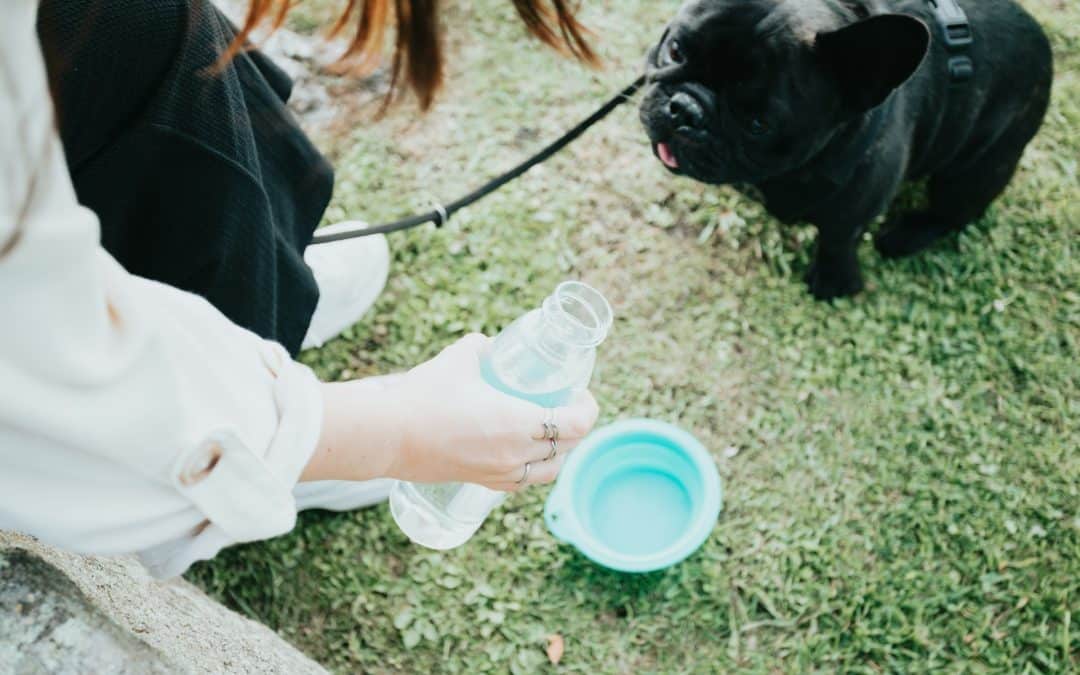
Pets are family, and just like us, they need clean water to stay healthy. The water they drink plays a vital role in their overall well-being, affecting everything from hydration to skin condition. However, tap water can sometimes contain contaminants that might harm pets.
Understanding the importance of water quality for pets is crucial. Contaminants like chlorine, lead, or bacteria can sneak into the water supply and potentially affect your pet’s health. It’s our responsibility to ensure they have safe, clean water to drink.
In this blog, we’ll dive into why clean water is essential for pets and explore simple ways to provide it. By focusing on water quality, you can help your pets thrive and enjoy better health. Whether you have a curious cat or a playful pup, ensuring their water is clean is a step towards happy, healthy companions.
Understanding Water Quality and Its Importance for Pets
Water quality is very important for the health of your pets. Just like humans, animals rely on clean, safe water to support vital functions in their bodies. From digestion to hydration, water plays a key role. Pets are not as picky as humans, so they might drink from any available source, making it important for owners to control water quality.
Pets are sensitive to the substances in their environment, and poor water quality can lead to health issues. You might notice a change in their fur or skin if the water is not clean. Dirty water can cause problems like allergies and infections, especially in pets prone to certain health conditions.
Encouraging your pet to drink enough water is also crucial. When the water tastes or smells off, pets might drink less, leading to dehydration. Dehydration affects energy levels and can lead to more serious health issues over time.
Offering your pets fresh, clean water ensures they thrive and maintain their health and vitality. By understanding the importance of water quality, you reinforce their care routine, ensuring each sip they take is beneficial and safe.
Common Contaminants in Tap Water and Their Effects on Pets
Tap water is usually safe, but sometimes it contains contaminants that can affect your pet’s health. Knowing what might be in the water helps you protect your pets better.
- Chlorine: This common disinfectant used in water supplies can irritate pets’ skin and eyes. It might make the water taste or smell strange, discouraging pets from drinking enough.
- Lead: Old pipes can leach lead into water. Drinking water with lead affects the nervous system and can lead to behavioral changes in pets.
- Bacteria and Parasites: Contaminated water can contain harmful bacteria and parasites, causing gastrointestinal problems like diarrhea or vomiting in pets.
- Fluoride: While beneficial in small amounts, too much fluoride can harm pets, leading to stomach upset and, over time, problems with bones and joints.
- Pesticides and Pharmaceuticals: These contaminants sometimes find their way into the water supply through runoff and can affect pets by causing various health issues if ingested regularly.
Understanding these potential threats helps in taking steps to minimize their impact. Regularly testing your tap water and investing in good filtration systems can significantly reduce risks, ensuring your pets drink only the safest, cleanest water available.
Simple Steps to Ensure Clean Drinking Water for Pets
Providing clean water to your pets is simpler than it might seem. Making a few changes in their water routine can greatly improve the quality of water they consume. Here are some easy steps to keep their water fresh and safe.
- Regular Cleaning: Cleaning the water bowls daily prevents bacterial growth. Use mild soap and warm water to scrub the bowls clean, especially in areas where slime might build up.
- Fresh Water Changes: Change the water at least once a day. This practice ensures your pet always has access to fresh, clean water. Pay closer attention during hot weather when water might need changing more often.
- Use Quality Containers: Invest in stainless steel or ceramic water dishes instead of plastic ones. These materials are less likely to harbor bacteria and are easier to clean.
- Monitor Source Water Quality: Periodically test your tap water to check for contaminants. Awareness of what’s in your water helps you take steps to improve its quality if needed.
- Keep Filters Updated: If you use water filters, ensure they are changed or cleaned as recommended. A functional filter guarantees that the water your pet drinks is free from harmful particles.
By implementing these steps, you support your pets’ health by providing consistently clean water. Simple habits lead to big benefits, fostering a safer environment for your furry friends.
Selecting Appropriate Water Filtration Solutions for Pet Safety
Choosing the right water filtration system can be a game-changer for ensuring your pets drink the best water. Not all filtration systems are the same, so it’s crucial to find one that meets your needs.
- Understand Filtration Types: There are various filtration options, such as activated carbon filters, reverse osmosis, and UV purifiers. Each comes with its strengths in removing different contaminants.
- Activated Carbon Filters: These are great for removing chlorine, unpleasant tastes, and odors. They are commonly found in water pitchers and faucet attachments.
- Reverse Osmosis: This method removes most contaminants, including lead and fluoride, by filtering water through a semi-permeable membrane. It’s one of the most thorough filtration systems available.
- UV Purifiers: UV light can kill bacteria and viruses present in the water. It’s an excellent choice if biological contaminants are a concern.
- Evaluate Your Needs: Think about what you’re trying to remove from your water. If you’re unsure, consider contacting a local expert to test your water and recommend the best option.
Investing in a suitable water filtration system not only enhances the quality of water for your pets but also for your entire household. Ensuring your pets’ health and happiness begins with access to clean, safe drinking water.
Conclusion:
Caring for your pets involves more than just feeding them and taking them for walks. Ensuring they have clean, safe water is a simple yet impactful way to support their health. From understanding the importance of water quality to choosing the right filtration system, taking these proactive steps makes a world of difference.
At Clean Water Co, we understand the importance of high-quality water for you and your pets. Our expert team is ready to guide you through selecting the best clean water filtration systems tailored to your specific needs. Ensuring your pets enjoy healthier, safer water is our priority. Contact Clean Water Co today and discover how we can help create a clean water environment for your cherished pets.