
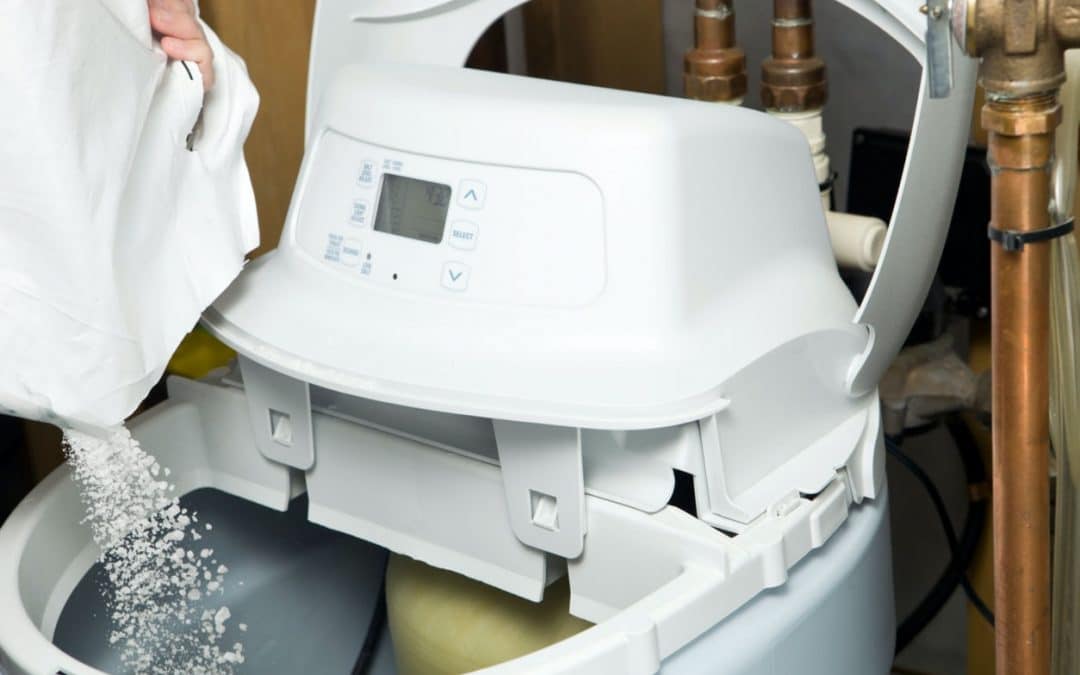
Keeping your water softener clean is crucial for ensuring it works effectively. Over time, minerals and other residues can build up in your water softener, reducing its effectiveness. Regular cleaning helps maintain the efficiency of your water softener and can extend its lifespan. Without proper maintenance, your appliance might not soften your water as it should, leading to issues like hard water stains and appliance wear.
Living in Colorado, we often deal with high mineral content in our water supply, making it even more important to maintain our water softeners. By keeping your water softener clean, you can avoid common problems associated with hard water, such as limescale buildup, which can damage your plumbing and clog pipes — fixed with drain & pipe repair. It’s easier than you might think to keep your water softener in top shape.
In this article, we’ll explore why regular cleaning of your water softener is necessary. We’ll also cover the materials you’ll need and provide a step-by-step guide to help you clean your system. Additionally, we’ll share some practical tips for maintaining your water softener after cleaning to ensure it continues to provide you with the best water quality possible. Understanding these steps will help you take better care of your home’s water system.
Why Regular Cleaning of Your Water Softener Is Necessary
Regular cleaning of your water softener is essential for maintaining its efficiency and longevity. Over time, minerals like calcium and magnesium, which are removed from your water, can build up inside the softener. This build-up can clog the system and reduce its effectiveness. A clogged water softener won’t perform well, meaning hard water minerals will continue to pass through, causing problems in your home. Cleaning your water softener also prevents bacteria and mold from growing inside the tank. Dirty and humid conditions inside the softener create an ideal environment for these harmful microorganisms. Regular cleaning ensures that your home’s water remains pure and free of contaminants, which is important for the health and safety of your family.Materials You Will Need for Cleaning
Before you start cleaning your water softener, gather all the necessary materials. Having everything on hand will make the process smoother and quicker. Here’s a list to help you prepare:- Turn Off Your Water Softener: Begin by switching off the unit to prevent any water from flowing through during the cleaning process.
- Empty the Brine Tank: Remove any leftover salt and water from the brine tank. You can scoop it out or drain it if there’s an outlet.
- Clean the Brine Tank: Use a mixture of warm water and dish soap to scrub the inside of the tank. Pay special attention to any corners where salt residue might build up. Rinse thoroughly with clean water.
- Inspect the Resin Tank: The resin tank usually doesn’t need frequent cleaning. However, you can add a resin cleaner to the tank to help remove any iron and other contaminants that cling to the resin beads.
- Refill the Brine Tank: Once it’s clean, refill the brine tank with fresh salt. Make sure to use the type of salt recommended by the manufacturer.
- Restart Your Water Softener: Turn the unit back on and run a manual regeneration cycle to ensure everything is working smoothly.
Tips for Maintaining Your Water Softener After Cleaning
Maintaining your water softener after you clean it is crucial for its longevity and performance. Here are some simple tips to keep your system in top condition:- Check Salt Levels Regularly: Make it a habit to check the salt level in the brine tank every couple of weeks. Refill as necessary, and break up any salt bridges that may form.
- Use the Right Type of Salt: Always use the type of salt recommended by the manufacturer. This helps avoid issues such as salt bridging and keeps your water softener working efficiently.
- Schedule Regular Inspections: At least once a year, take the time to inspect your water softener for any signs of wear or issues. Check hoses, seals, and connections for leaks or damage. For hidden leaks beyond the softener, see our leak detection & repair service.
- Clean the Brine Tank Annually: Even with regular maintenance, it’s a good idea to thoroughly clean the brine tank every year to remove any sediment or build-up.
- Monitor Water Hardness: Test your water periodically to ensure your water softener is effectively removing hardness. If you notice a change in water quality, it might be time for an additional cleaning.
Conclusion
Keeping your water softener clean and well-maintained is essential for ensuring it operates efficiently and provides you with high-quality water. Regular cleaning can prevent issues such as mineral build-up, which can affect your appliances and plumbing. By following simple steps to clean and maintain your water softener, you can prolong its lifespan and enjoy the benefits of soft water in your home. It’s important to stay proactive with your water softener maintenance. Routine checks and cleanings can save you money on repairs and replacements, and ensure that your water is always at its best quality. If you need guidance or assistance with your water softener, don’t hesitate to contact the experts. At Clean Water Co, we are dedicated to helping you achieve the best water quality in your home. Contact Clean Water Co today to learn more about our water softener system and filtration solutions tailored to your needs.- Soft cloths or sponges: These are useful for wiping down the surfaces of the water softener.
- Mild dish soap: This can help remove grime and residues without damaging the equipment.
- Rubber gloves: Wear these to protect your hands from any chemicals or residues.
- Bucket: You will need this to collect water or clean components.
- Commercial water softener cleaner: This is designed specifically for cleaning the inside of your softener and removing mineral build-up.
- Toothbrush or small brush: Useful for scrubbing tight areas and removing deposits.
- Salt: Make sure to have extra salt on hand to refill the brine tank after cleaning.
Step-by-Step Guide to Cleaning Your Water Softener
Cleaning your water softener is a straightforward process that can ensure it runs efficiently. Follow these easy steps to keep your water softener in good shape:- Turn Off Your Water Softener: Begin by switching off the unit to prevent any water from flowing through during the cleaning process.
- Empty the Brine Tank: Remove any leftover salt and water from the brine tank. You can scoop it out or drain it if there’s an outlet.
- Clean the Brine Tank: Use a mixture of warm water and dish soap to scrub the inside of the tank. Pay special attention to any corners where salt residue might build up. Rinse thoroughly with clean water.
- Inspect the Resin Tank: The resin tank usually doesn’t need frequent cleaning. However, you can add a resin cleaner to the tank to help remove any iron and other contaminants that cling to the resin beads.
- Refill the Brine Tank: Once it’s clean, refill the brine tank with fresh salt. Make sure to use the type of salt recommended by the manufacturer.
- Restart Your Water Softener: Turn the unit back on and run a manual regeneration cycle to ensure everything is working smoothly.
Tips for Maintaining Your Water Softener After Cleaning
Maintaining your water softener after you clean it is crucial for its longevity and performance. Here are some simple tips to keep your system in top condition:- Check Salt Levels Regularly: Make it a habit to check the salt level in the brine tank every couple of weeks. Refill as necessary, and break up any salt bridges that may form.
- Use the Right Type of Salt: Always use the type of salt recommended by the manufacturer. This helps avoid issues such as salt bridging and keeps your water softener working efficiently.
- Schedule Regular Inspections: At least once a year, take the time to inspect your water softener for any signs of wear or issues. Check hoses, seals, and connections for leaks or damage. For hidden leaks beyond the softener, see our leak detection & repair service.
- Clean the Brine Tank Annually: Even with regular maintenance, it’s a good idea to thoroughly clean the brine tank every year to remove any sediment or build-up.
- Monitor Water Hardness: Test your water periodically to ensure your water softener is effectively removing hardness. If you notice a change in water quality, it might be time for an additional cleaning.