
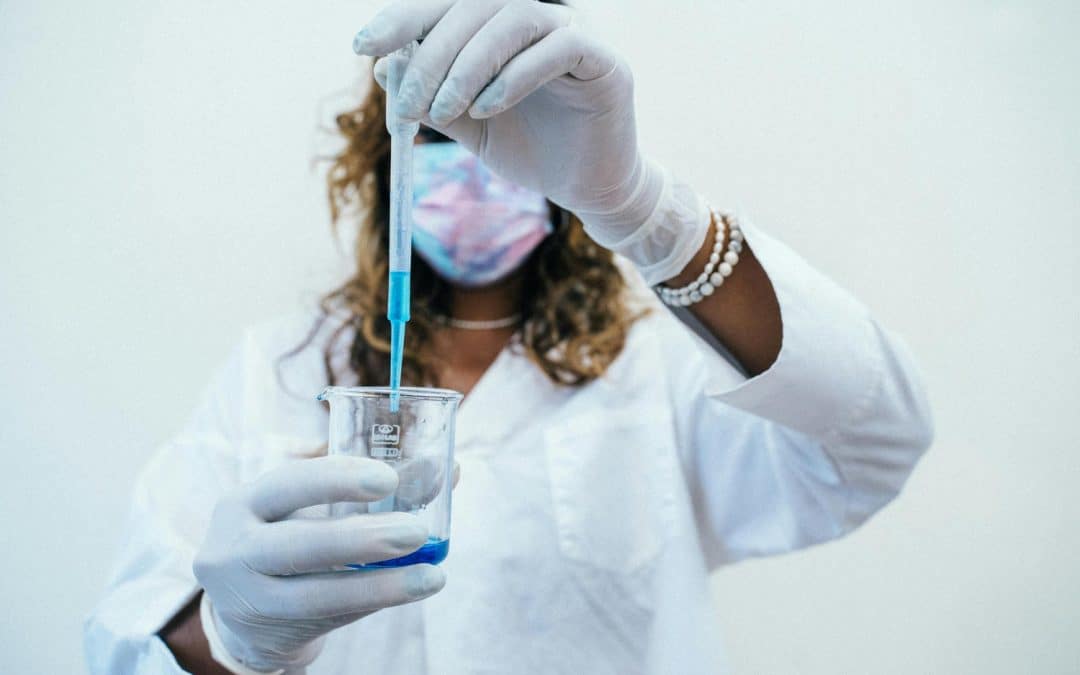
Water quality concerns are a growing issue for many Colorado homes, where various water sources bring a mixture of minerals and potential pollutants into our daily lives. Understanding what contaminates our water is not just about safeguarding health but also about ensuring the longevity and efficiency of our water-using appliances. We presume that our home’s water is safe, but multiple factors can affect its purity. How often do we consider the invisible contaminants that might not be detected until they cause harm?
Selecting the appropriate water testing kit is paramount in this preventive approach. Not all kits are created equal, and the complexity of water chemistry demands that we choose wisely to ensure reliability and accuracy. By understanding the basic steps in testing our water, from sample collection to result interpretation, we empower ourselves to maintain a safe home environment.
Identifying Common Contaminants in Colorado Water
Ensuring the safety of the water in our homes begins with understanding what harmful substances could be present. In Colorado, the geology and human activities contribute to a variety of water contaminants that we need to be aware of. Heavy metals like lead and arsenic can leach into groundwater from both natural mineral deposits and industrial pollution. Older infrastructure may also introduce these metals into our tap water through corroding pipes.
Organic contaminants, including pesticides and herbicides, are frequently detected in our water systems due to agricultural runoff. Meanwhile, microbial pathogens such as bacteria, viruses, and protozoa pose serious health risks, especially after flooding or sewage system failures. By identifying these common issues, we’re better prepared to select an appropriate testing kit that targets these specific contaminants, ensuring that the methods we employ are both effective and necessary for maintaining our family’s health and well-being.
Choosing the Right Water Testing Kit for Your Home
When it comes to ensuring the safety of our drinking water, selecting the right testing kit is critical. It’s important to choose a kit that tests for the specific contaminants known to affect Colorado water. Here are some tips to help us pick the most suitable kit:
1. Identify the Target Contaminants: Based on our understanding of local water issues, our kit should test for heavy metals, organics, and biological pathogens, each of which could have different implications for our health and home.
2. Choose a Type: Various types of water testing kits are available. Some provide quick results using test strips that change color based on the presence of contaminants, while others may require sending samples to a professional laboratory for more detailed analysis.
3. Consider Accuracy and Sensitivity: Look for kits that are endorsed by water quality professionals and have a proven track record of accuracy. They might cost a bit more, but the accuracy can provide peace of mind.
4. Ease of Use: If we prefer immediate results, kits that allow us to conduct tests at home and read results without technical expertise could be most beneficial.
By investing in a reliable water testing kit, we take control over our health and safety, ensuring that the water we drink and use daily is free from contaminants that could pose a risk to our family’s wellbeing.
Step-by-Step Guide to Testing Your Water
Testing our water is a straightforward process that provides us with crucial information about its safety. Here, we detail exactly how to accomplish this task effectively using your chosen water testing kit. First, ensure you follow all instructions provided with your kit. It is vital that we perform the test accurately to obtain reliable results.
Start by collecting a water sample from the tap we use most frequently for drinking water, such as the kitchen sink. Allow the water to run for a few minutes before collecting the sample to avoid any stagnant water from pipes. Using the testing bottles included in your kit, fill them according to the specified instructions without touching the inside of the cap or the bottle, as this could contaminate the sample. Once collected, use the chemicals provided in the kit by carefully adding them to the sample if required. Depending on the kit’s design, we either wait for a chemical reaction to occur and compare the sample’s color to a chart, or we send the sample to a lab and await their analysis.
Interpreting Your Water Test Results and Next Steps
Once we have our test results, interpreting them correctly is crucial to determine if any action needs to be taken. Most kits come with a guide that helps us understand the levels of contaminants present in the water. If our results show levels above the EPA’s recommended limits, we must take steps to address these issues to ensure the safety of our water.
Depending on the contaminants detected, solutions might include installing specialized water filtration or softening systems that target specific impurities. More frequent disinfection and possibly system upgrades may be necessary for biological contaminants. If, however, the results are within safe limits, regular monitoring should continue. However, if results ever indicate a potential health hazard, contact local water authorities immediately for further guidance and testing.
We should also consider if irregularities in water quality could be linked to specific sources or if they indicate a more widespread issue in our local water system. Regular testing helps us stay informed about the quality of our water over time and allows us to react quickly to any changes.
Empowering Ourselves Through Knowledge and Safety Practices
Ensuring the purity of our household water is not just a possibility; it’s a necessity that we can manage effectively with the right knowledge and tools. By identifying common contaminants specific to Colorado, selecting the right testing kit, and understanding how to use it correctly, we empower ourselves to maintain the highest water quality standards in our homes. Regular testing and accurate interpretation of results are key components in safeguarding our health against potential waterborne illnesses and pollutants.
At Clean Water Co, we’re committed to helping you keep your water safe and clean. If you’re uncertain about conducting water tests at home or interpreting the results, or if you want to explore more advanced water filtration system solutions, feel free to reach out to us. Your safety is our priority, and we are here to support you every step of the way in ensuring a healthy water supply for your home.