
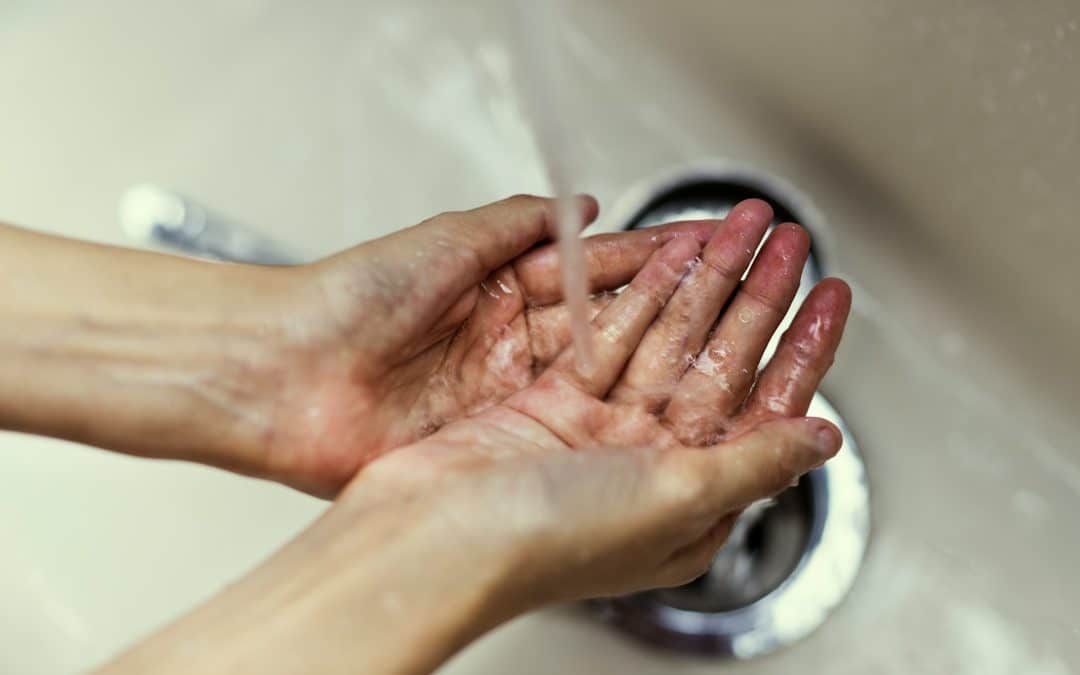
Have you noticed your skin feeling dry or your hair looking dull, no matter what products you use? If so, your tap water might be the culprit. Hard water contains high levels of minerals like calcium and magnesium, which can have several effects on our daily routines—especially concerning skin and hair health.
When these minerals build up, they can interfere with how soaps and shampoos work, leading to residue that lingers. This not only makes your skin feel itchy and dry but can also cause your hair to become brittle and lackluster. Understanding the science behind hard water can help you tackle these issues effectively and find ways to care for your skin and hair without frustrating side effects.
In this blog, we’ll delve into what hard water is, how it affects our well-being, and what steps you can take to minimize its impact. Gaining insights into these effects will help you maintain healthier skin and shinier hair despite the challenges hard water presents.
Understanding Hard Water and Its Components
Hard water is water that has a high amount of dissolved minerals, mainly calcium and magnesium. As rainwater travels through the ground, it picks up these minerals from rock formations like limestone. By the time it reaches our homes, it has absorbed enough minerals to be classified as hard water.
The mineral content in water can vary based on your location, meaning water hardness can be stronger in some regions than others. This affects not just taste but also the way the water interacts with household products. High levels of calcium and magnesium make it difficult for soap to dissolve properly, leading to soap scum and residue.
Hard water also contributes to scale buildup in pipes and appliances. This scaling disrupts water flow and can make appliances work harder, reducing their lifespan. The minerals react with detergents in laundry, leaving clothes looking dingy and feeling stiff. Understanding these components helps appreciate the challenges hard water introduces, particularly to skin and hair.
By identifying the hardness of your water, you can better manage its effects. Testing kits are available to measure hardness levels at home, providing a starting point for finding the right treatment or filtration method. Knowing what makes water hard equips you to tackle its impact effectively.
How Hard Water Affects Skin Health
Hard water can cause several issues for your skin, affecting how it looks and feels. When the calcium and magnesium in hard water react with soap, they form a residue that can cling to your skin. This residue can make it hard to get clean, leaving your skin feeling rough and itchy.
Here are some common effects of hard water on skin health:
1. Dryness and Peeling: The residue left by hard water can strip away natural oils from your skin, leading to dryness and flakiness. This dry feeling often gets worse in colder weather when humidity is low.
2. Itchiness and Irritation: Mineral deposits irritate sensitive skin, causing itchiness or aggravating conditions like eczema. The water’s high mineral content leaves your skin feeling uncomfortable after washing.
3. Acne and Blemishes: The leftover film from hard water can clog pores and lead to breakouts. It’s hard to wash off completely, trapping oils and dirt that contribute to acne.
4. Premature Aging: Over time, hard water can also contribute to premature aging of the skin. The consistent lack of moisture makes fine lines more visible and accelerates the effects of aging.
5. Worsening of Skin Conditions: For those with pre-existing skin conditions, hard water can make symptoms worse. Eczema, psoriasis, and dermatitis can become more severe due to the harshness of mineral-rich water.
To address these concerns, it’s important to adopt a skincare routine that counters these effects. Using moisturizing products that help restore natural oils can be a good start. Being aware of how hard water impacts your skin allows you to take steps to alleviate its adverse effects.
Impact of Hard Water on Hair: Common Issues
Hard water can be a real troublemaker for your hair. This type of water contains high levels of minerals like calcium and magnesium, which can leave deposits on your hair over time. These minerals don’t just rinse away like they’re supposed to; instead, they stick to your hair, causing several annoying issues.
Dull and Lifeless Hair: Because hard water leaves mineral deposits on your hair, it can make your hair look dull and lifeless. The build-up of minerals prevents your hair from reflecting light, which is why it looks less shiny and more flat.
Dry and Brittle Hair: Hard water minerals can strip away natural oils from your scalp and hair. Without these oils, your hair doesn’t have as much moisture and becomes drier and more prone to breaking.
Scalp Irritation: The minerals in hard water can also irritate your scalp, leading to itching and dandruff. This can be uncomfortable and may make other problems like dry hair feel even worse.
Color Fading: If you color your hair, hard water can make your color fade faster. The minerals can interfere with the dye, making it less vibrant and requiring more frequent touch-ups.
Experiencing these problems can be frustrating. Understanding how hard water affects your hair can help you decide on the best ways to protect it and keep your locks looking healthy.
Solutions to Protect Skin and Hair from Hard Water
While hard water can be a challenge, there are several effective ways to protect your skin and hair from its effects. These solutions range from making small changes in your routine to investing in home improvements that ensure long-term protection.
Install a Water Softener: The most effective way to combat hard water is by installing a water softener. This device exchanges the hard water minerals with softer ones like sodium, which are easier on your skin and hair. It can be a fantastic investment for maintaining smooth skin and shiny hair.
Use Clarifying Shampoo: A good clarifying shampoo can help remove mineral build-up from your hair. Use it once a week to wash away the deposits and keep your hair clear. Follow up with a hydrating conditioner to lock in moisture.
Moisturize Regularly: Since hard water can dry out your skin, applying a rich moisturizer right after bathing can keep your skin soft and hydrated. Look for products that are designed to combat dry skin and provide long-lasting moisture.
Try Rinsing with Filtered Water: For a quick fix, you can use filtered or bottled water for the final rinse of your hair during showers. This can help rinse away any remaining minerals from your hair.
Lifestyle Adjustments: Simple changes, like reducing the temperature of your shower and using less soap, can also reduce the effects of hard water on your skin and hair.
By incorporating these solutions, you can protect your skin and hair from the harsh effects of hard water. Taking these steps ensures that you can maintain healthy, happy skin and beautiful hair every day.
Conclusion
Hard water doesn’t have to dictate the health of your skin and hair. By understanding its effects and implementing the right solutions, you can effectively combat its impact. Taking preventative actions today helps maintain your skin and hair’s well-being and keeps them looking vibrant.
At Clean Water Co, we are dedicated to helping you find the ideal solution for hard water problems. Our water softener system can transform your home’s water, protecting your skin and hair from harsh minerals. Reach out to Clean Water Co to ensure your household enjoys the health and beauty benefits of soft water.