
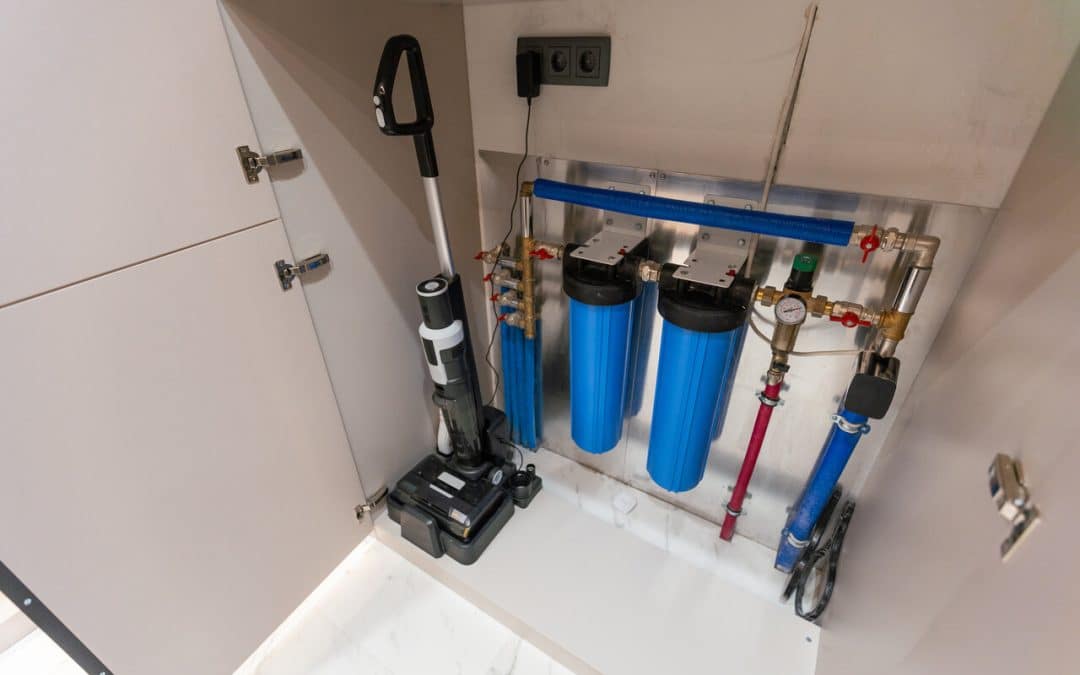
Choosing a water softener for your home is an important decision that can greatly improve your water quality. Hard water is a common issue in many households, leading to problems like scale buildup in pipes and appliances, dry skin, and dull hair. By selecting the right water softener, we can address these issues and enjoy softer, cleaner water.
Understanding your water hardness level is the first step in this process. Knowing how hard your water is helps determine the best type of water softener for your needs. Different softeners offer various methods for treating hard water, each with its own advantages. Evaluating these options allows us to choose the most effective solution for our home.
Another important factor is the capacity and size of the water softener. It’s essential to select a system that can handle the water usage of your household without frequent maintenance. Additionally, considering the extra features and costs involved helps ensure we get the best value for our investment. By taking these factors into account, we can make an informed decision and improve our home’s water quality.
Determine Your Water Hardness Level
Understanding how hard your water is can help you choose the best water softener for your home. Water hardness is usually measured in grains per gallon (GPG) or milligrams per liter (mg/L). The higher the number, the harder your water is. You can test your water’s hardness using a home water test kit, which is easy to find and use. Another way is to contact your local water company, which may provide water hardness information specific to your area.
Once you know your water hardness level, you can determine what kind of water softener system you need. For example, water with a hardness level of more than 7 GPG is considered hard and usually requires a more robust water softening solution. Understanding this information is crucial because it helps us pick the right system that will effectively treat the water, preventing issues like scale buildup and improving the overall quality of water in our home.
Consider the Different Types of Water Softeners
There are several types of water softeners, each with its own set of advantages. The most common types are ion-exchange softeners, salt-free softeners, and magnetic or electronic softeners. Ion-exchange softeners work by exchanging magnesium and calcium ions in the water with sodium or potassium ions. This type is very effective at reducing water hardness and is widely used in many homes.
Salt-free softeners, on the other hand, use a different method to change the structure of hard water minerals so they don’t stick to surfaces. This type is a good option for those who prefer not to use salt in their water treatment process. Magnetic or electronic softeners use magnetic fields or electric impulses to alter the behavior of hard water minerals. While this type might not be as effective as ion-exchange systems, it has the benefit of being easy to install and maintain.
By considering the different types of water softeners, we can choose the one that best fits our home’s needs and our personal preferences. Each type has its own benefits, and understanding these can help us make a well-informed decision.
Evaluate the Capacity and Size of the Softener
Choosing the right size and capacity for a water softener is crucial to ensure it meets our household’s needs. The capacity of a water softener is measured in grains and refers to the amount of hardness it can remove before needing to regenerate. To figure out the appropriate size, consider the number of people in your home and your daily water usage. A general rule of thumb is that each person uses about 75 gallons of water per day. Multiply this by the hardness level of your water to determine the required softener capacity.
It’s also important to consider the physical size of the water softener, especially if space is limited in your home. Make sure to measure the available area where the system will be installed. Purchasing a softener that is too large or too small can lead to inefficiency and higher costs. By choosing the correct capacity and size, we ensure that the system operates effectively and provides consistent, softened water for our home.
Look at Additional Features and Costs
When selecting a water softener, it’s essential to consider additional features that can enhance the system’s performance and convenience. Some water softeners come with advanced controls, such as digital displays, programmable settings, and salt level indicators. These features can make the system easier to use and maintain. Additionally, some models offer high-efficiency options that use less water and salt, which can result in cost savings over time.
It’s also important to factor in the costs associated with the water softener, including the initial purchase price, installation fees, and ongoing maintenance costs. While high-end models may offer more features, they can be more expensive. Weighing the benefits of these features against the costs helps ensure we get the best value for our investment. By carefully considering additional features and costs, we can choose a water softener that meets our needs and budget.
Final Thoughts
Choosing the right water softener for our home involves several important steps, from determining our water hardness level to evaluating different types and capacities of softeners. Understanding these factors helps us make an informed decision that improves our water quality and addresses the challenges posed by hard water. Additionally, considering extra features and costs ensures that we get a water softener that fits our specific needs and budget.
Making the right choice impacts every aspect of our daily lives, from the efficiency of our appliances to the health of our skin and hair. With the right water softener, we can enjoy the benefits of softer water and improved well-being.
If you’re looking to improve your water quality, contact Clean Water Co today. We offer expert advice and high-quality water softening solutions tailored to your needs. Let’s work together to ensure your home has the best water possible.