
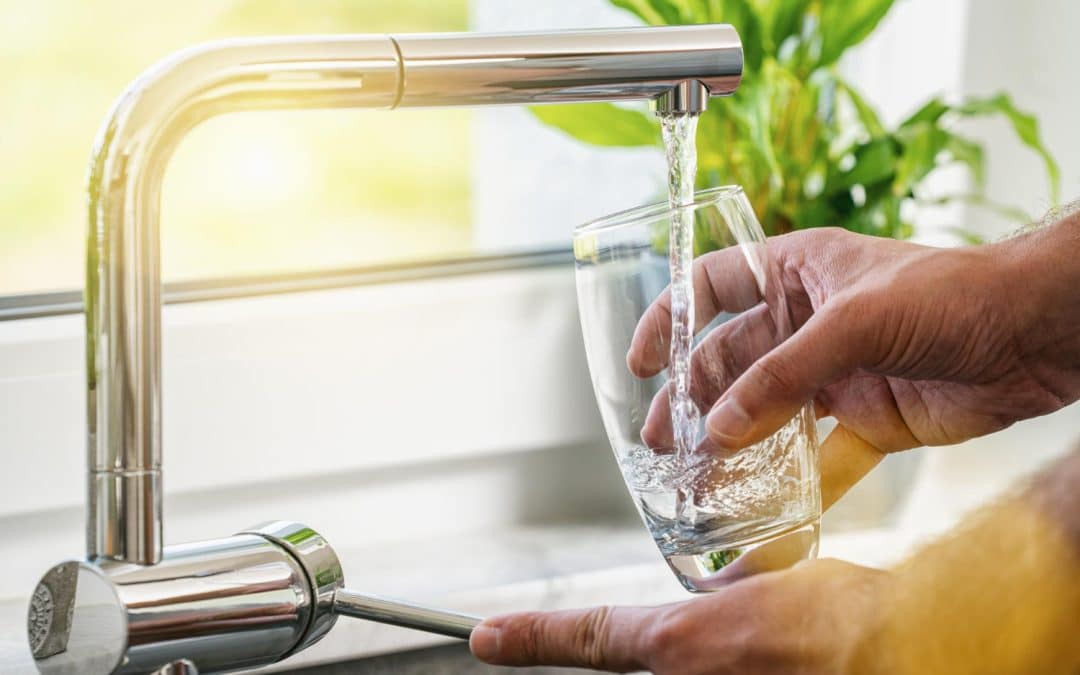
People often overlook the importance of having clean drinking water. Yet, it is a key to good health. Imagine having a glass of water free from impurities, making every sip as refreshing as possible. Clean water improves not just taste, but it also benefits your body in many ways. A good example is how clean water reduces your exposure to harmful contaminants, helping you stay healthier in the long run.
To ensure your water is as clean as it can be, installing a drinking water filtration system could be a wise choice. These systems are designed to filter out the bad stuff, making the water coming out of your tap much safer for drinking, cooking, and bathing. Choosing the right filtration system might seem tricky with so many options available, but understanding how each works can help you make a better choice.
Different Types of Drinking Water Filtration Systems
When it comes to filtering water, several methods can do the job effectively. Here’s an overview of some popular systems:
– Activated Carbon Filters: These are great for removing chlorine, sediment, and volatile organic compounds, making the water taste and smell much better. They’re easy to install and maintain, but they might not filter out all contaminants like heavy metals.
– Reverse Osmosis Systems: This type removes a broad range of contaminants, including nitrates and lead. It’s highly effective but can waste some water in the process. Installation might require professional help.
– UV Filters: Using ultraviolet light, this system targets bacteria and viruses. It’s excellent for making water microbiologically safe but doesn’t remove chemical contaminants.
Each type of filtration system comes with its own set of advantages and drawbacks. When deciding which is best, consider what specific contaminants you need to address in your water. Also, think about installation costs and whether you need expert help to set it up. Investing in a system that aligns with your needs will lead to better water quality in your home.
Factors to Consider When Choosing a Filtration System
Selecting the best filtration system for your home means taking a closer look at a few key factors. First on the list is understanding your water quality. Testing it will give you a clear picture of what contaminants you need to filter out. For example, if your water has high levels of chlorine or lead, you’ll want a system specifically designed to handle those impurities.
Budget is another important factor. Consider not just the initial cost of the filtration system, but also the long-term expenses associated with replacing filters and other maintenance tasks. Some systems might be pricier to set up, but they can save you money in the long run by efficiently removing contaminants and requiring less frequent maintenance.
Ease of installation and maintenance is also essential for hassle-free use. Some systems are easy to set up with basic tools and require minimal upkeep, while others might need professional installation and regular attention. Choosing a system that matches your comfort level with DIY projects can make the process smoother.
Benefits of Using a Drinking Water Filtration System
Drinking water filtration systems hold numerous benefits that go beyond just cleaner water. One of the most significant advantages is the health benefit of removing harmful contaminants. By filtering out things like bacteria, lead, and chlorine, you minimize potential health risks and enjoy safer water.
Another perk is the improvement in both taste and smell. Unfiltered water can often carry an unpleasant chlorine flavor or other strange odors that turn you off. Having a filtration system means your glass of water smells and tastes as it should—clean and refreshing.
Lastly, there’s the positive impact on the environment to think about. Using a filtration system at home reduces the need for bottled water, which cuts down on plastic waste. This is better for our planet and saves you the constant expense of buying bottled water.
How to Install and Maintain Your Filtration System
Getting your filtration system up and running is often straightforward, but following a few steps can ensure it functions well. Many systems come with detailed instructions, but here are some general steps you might follow:
1. Turn off the water supply to prevent leaks while installing.
2. Choose a location under the sink or near your water source where the system can fit comfortably.
3. Connect the system to your water line, ensuring tight connections to avoid leaks.
4. Flush out the system as directed in the manual to clear any residues before use.
Maintaining your system is just as important as the initial installation. Regularly checking and replacing filters keeps the system running efficiently. Consider setting reminders to change filters, as timely replacements ensure the water stays pure and the system works as intended.
Making the Best Choice for Your Home in Colorado
When considering filtration systems in Colorado, awareness of the local water issues helps in making the best choice. Knowing what’s common in Colorado’s water, such as mineral content and other specific concerns, points you in the right direction. Selecting a system capable of tackling these local issues ensures your water is clean and safe.
Choosing the right system also means keeping your budget and maintenance preferences in mind. Systems that address common Colorado water challenges, such as hardness and sediment, are invaluable. By setting priorities based on local needs and personal preferences, you can confidently choose a system that fits your lifestyle.
Protect Your Health with the Right Filtration System
Keeping track of the importance of clean water opens the door to better choices for your health. A well-chosen filtration system safeguards your family, providing peace of mind with every glass you drink. Taking proactive steps by picking the right system pays off in many ways, making your water—and life—purer and healthier.
Looking to improve your home’s water quality in Colorado? A tailored solution is right around the corner. Schedule a water test with Clean Water Co today to pinpoint your needs and explore the best drinking water filtration system for your home. This step helps ensure your family’s water is fresh and free from contaminants.